ONE Asia Creative Awards
ONE Asia Creative Awards celebrates the best creative work of the year from the Asia Pacific region. Formerly known as the One Show Greater China Awards, which was founded in 2014 by The One Club for Creativity, the awards were established because of the tremendous growth and evolution of creativity in the Asia Pacific market. It presents an unparalleled level of prestige and honor for creatives, designers and innovators in the region. The awards are a fusion of culture where East meets West that brings the creativity of the region to the global stage.
Category
Film & Video for Good
Annual ID
OA25_FIV019M
Background
In Aotearoa New Zealand, there are two electoral rolls: general and Māori. Those who identify as Māori (the indigenous people of New Zealand) can choose either option when they enrol to vote, or switch rolls if they’re already enrolled.
The number of people on the Māori roll directly correlates to the number of designated ‘Māori seats’ in parliament. These seats are not affiliated with any political party; instead they correlate to Māori electorates (regions) which only Māori politicians (from any party) can be elected to represent. These seats ensure a Māori voice in parliament, regardless of who’s in power. Since 2002, there have been seven Māori seats in parliament. Meanwhile, there are 116 seats for general electorate and list MPs.
After historical efforts to increase Māori equality and representation, the current coalition government is now threatening to roll back decades of progress. Divisive rhetoric and measures ranging from removing Māori names from government departments, to cutting funding to the Māori health authority, to a controversial bill that sought to rewrite Te Tiriti O Waitangi (New Zealand’s founding treaty) have been met with widespread opposition from the public – including a march that drew 42,000 protestors to parliament.
Despite this, around 280,000 eligible Māori remain on the general roll and 120,000 are unenrolled to vote. With a general election coming up in 2026, Whānau Ora sought to mobilise people to join the Māori roll to ensure a stronger Māori voice in parliament at this pivotal moment.
(Whānau Ora is an organisation focused on improving wellbeing outcomes for Māori in areas such as health, education, housing, employment, improved standards of living and cultural identity. With civic participation being a strong indicator of wellbeing, demystifying electoral process and getting people invested in voting has inherent value for the welfare of Māori.)
The number of people on the Māori roll directly correlates to the number of designated ‘Māori seats’ in parliament. These seats are not affiliated with any political party; instead they correlate to Māori electorates (regions) which only Māori politicians (from any party) can be elected to represent. These seats ensure a Māori voice in parliament, regardless of who’s in power. Since 2002, there have been seven Māori seats in parliament. Meanwhile, there are 116 seats for general electorate and list MPs.
After historical efforts to increase Māori equality and representation, the current coalition government is now threatening to roll back decades of progress. Divisive rhetoric and measures ranging from removing Māori names from government departments, to cutting funding to the Māori health authority, to a controversial bill that sought to rewrite Te Tiriti O Waitangi (New Zealand’s founding treaty) have been met with widespread opposition from the public – including a march that drew 42,000 protestors to parliament.
Despite this, around 280,000 eligible Māori remain on the general roll and 120,000 are unenrolled to vote. With a general election coming up in 2026, Whānau Ora sought to mobilise people to join the Māori roll to ensure a stronger Māori voice in parliament at this pivotal moment.
(Whānau Ora is an organisation focused on improving wellbeing outcomes for Māori in areas such as health, education, housing, employment, improved standards of living and cultural identity. With civic participation being a strong indicator of wellbeing, demystifying electoral process and getting people invested in voting has inherent value for the welfare of Māori.)
Creative Idea
We created the Māori Roll Call – the biggest roll call New Zealand has ever seen. An ever-growing list of real names of Māori, who’ve answered the call for greater Māori representation in parliament. By inviting people to join the Māori electoral roll and add their names to the list; we turned the act of proudly asserting your identity into a way to stand up, unite, and enact real change in New Zealand’s government.
In times of war, in times of protest, and in times of need, New Zealand’s indigenous Māori have always stepped up and answered the call. When something important is at stake, Māori from different iwi (tribes) band together and move as one. The Māori Roll Call is today’s bid to unite for a common goal: ensuring a Māori voice in the decisions that shape Aotearoa New Zealand, at a time when politicians in power are putting Māori rights and representation at risk.
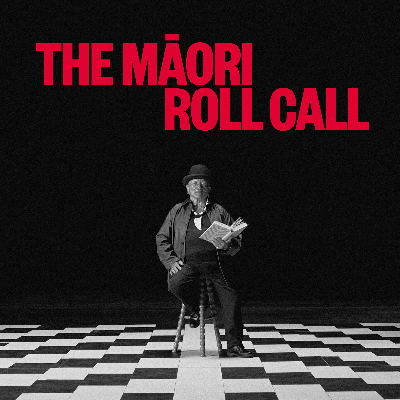
The campaign features legendary activist and artist Tāme Iti reading the Māori Roll Call: hundreds of real names shared with consent by voters on the Māori electoral roll. It’s a demonstration of the growing movement to join the Māori roll, made tangible and personal for the first time. Tāme asks ‘Will you answer the call?’ imploring Māori to raise their hands, and voices – and join the Māori Roll to help shape a future led by Māori values.
In times of war, in times of protest, and in times of need, New Zealand’s indigenous Māori have always stepped up and answered the call. When something important is at stake, Māori from different iwi (tribes) band together and move as one. The Māori Roll Call is today’s bid to unite for a common goal: ensuring a Māori voice in the decisions that shape Aotearoa New Zealand, at a time when politicians in power are putting Māori rights and representation at risk.
The campaign features legendary activist and artist Tāme Iti reading the Māori Roll Call: hundreds of real names shared with consent by voters on the Māori electoral roll. It’s a demonstration of the growing movement to join the Māori roll, made tangible and personal for the first time. Tāme asks ‘Will you answer the call?’ imploring Māori to raise their hands, and voices – and join the Māori Roll to help shape a future led by Māori values.
Insights & Strategy
There is widespread mistrust among Māori of government institutions. On top of that, the Māori electoral option is a complex topic that can be difficult to understand. Traditionally, messaging around the electoral rolls was delivered by the Electoral Commission (a government agency) and was impersonal and convoluted. We knew we needed to give people a meaningful reason to join the Māori Roll, explaining the wider implications for Aotearoa and future generations if greater numbers join. We also knew we needed to deliver this message in a way that felt completely different to government communications, so Māori would take notice and resonate with its importance.
In New Zealand, there are said to be only two degrees of separation; being a smaller population, “everyone knows everyone”. We saw that there was power in using real names to make the campaign instantly relevant to a large number of people, and build social proof of the growing movement as involvement with the Roll Call grew. This would help to make our message feel personal, important, and unignorable.
In New Zealand, there are said to be only two degrees of separation; being a smaller population, “everyone knows everyone”. We saw that there was power in using real names to make the campaign instantly relevant to a large number of people, and build social proof of the growing movement as involvement with the Roll Call grew. This would help to make our message feel personal, important, and unignorable.
Execution
The campaign featured a series of films delivered by Tāme Iti, reading real Māori names in the form of a roll call. As well as reading names, Tāme Iti explained the Māori electoral roll in simple terms and outlined the importance of joining for the future of your whānau (family), iwi (tribe) and future generations.
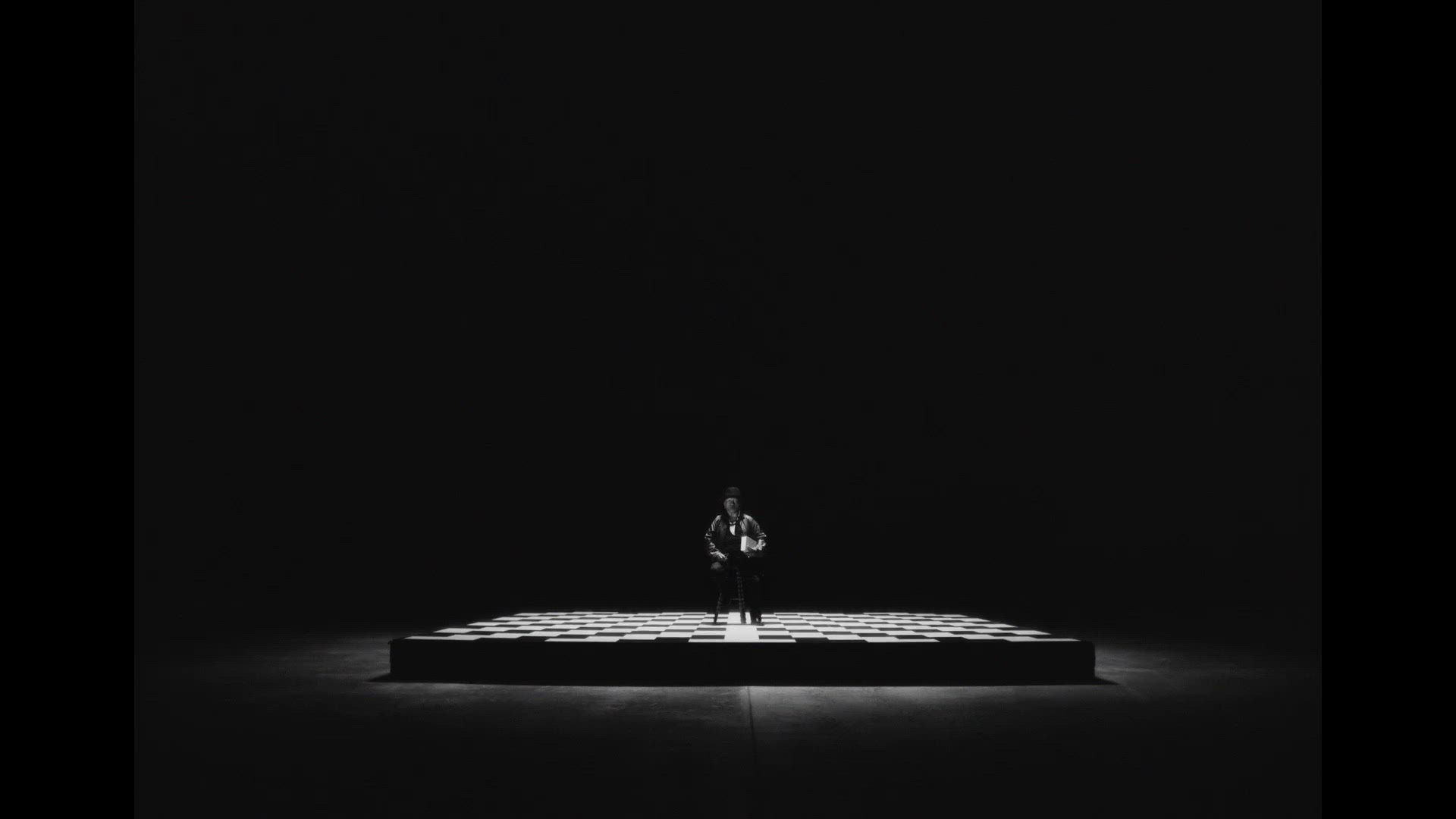
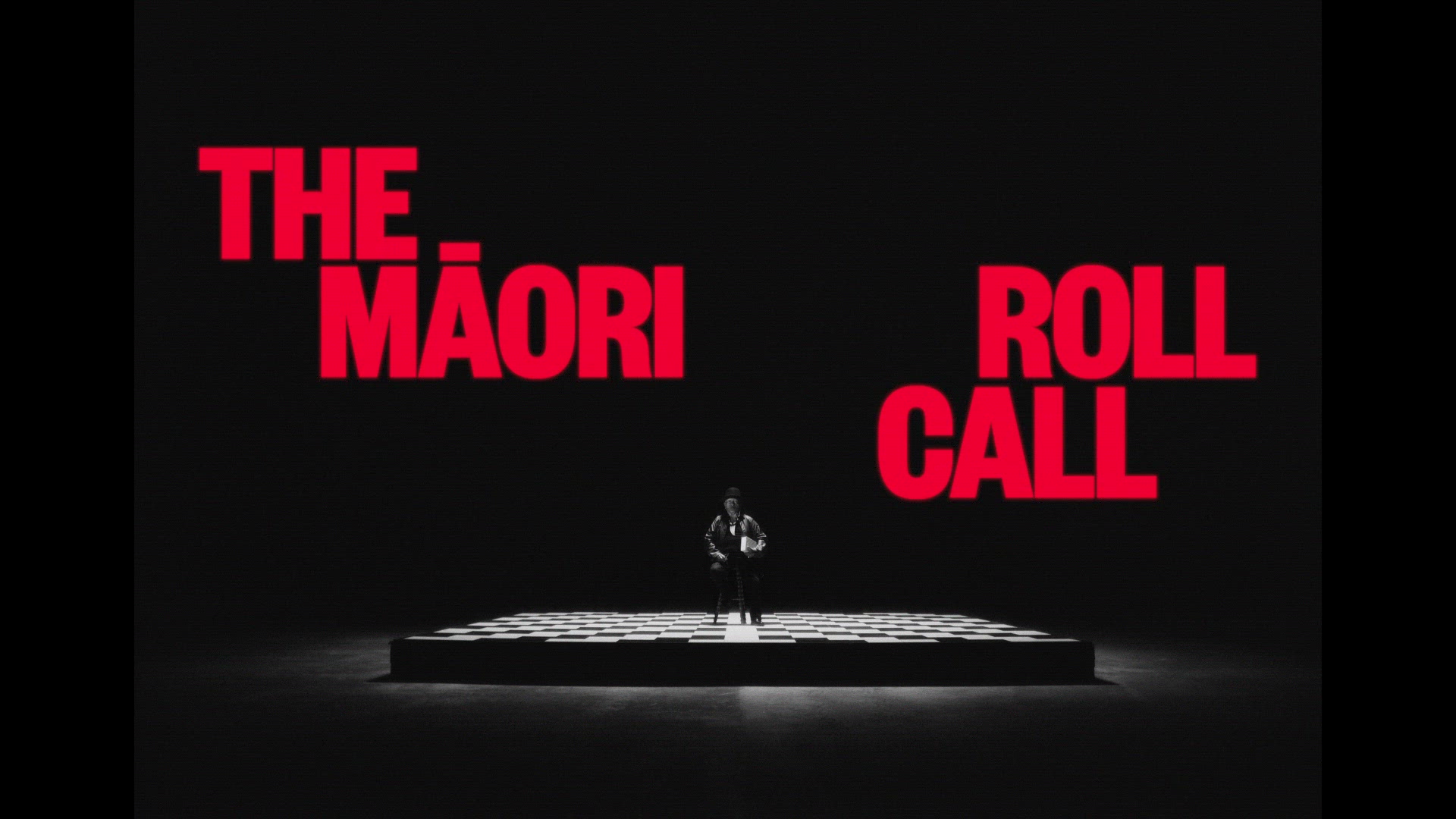
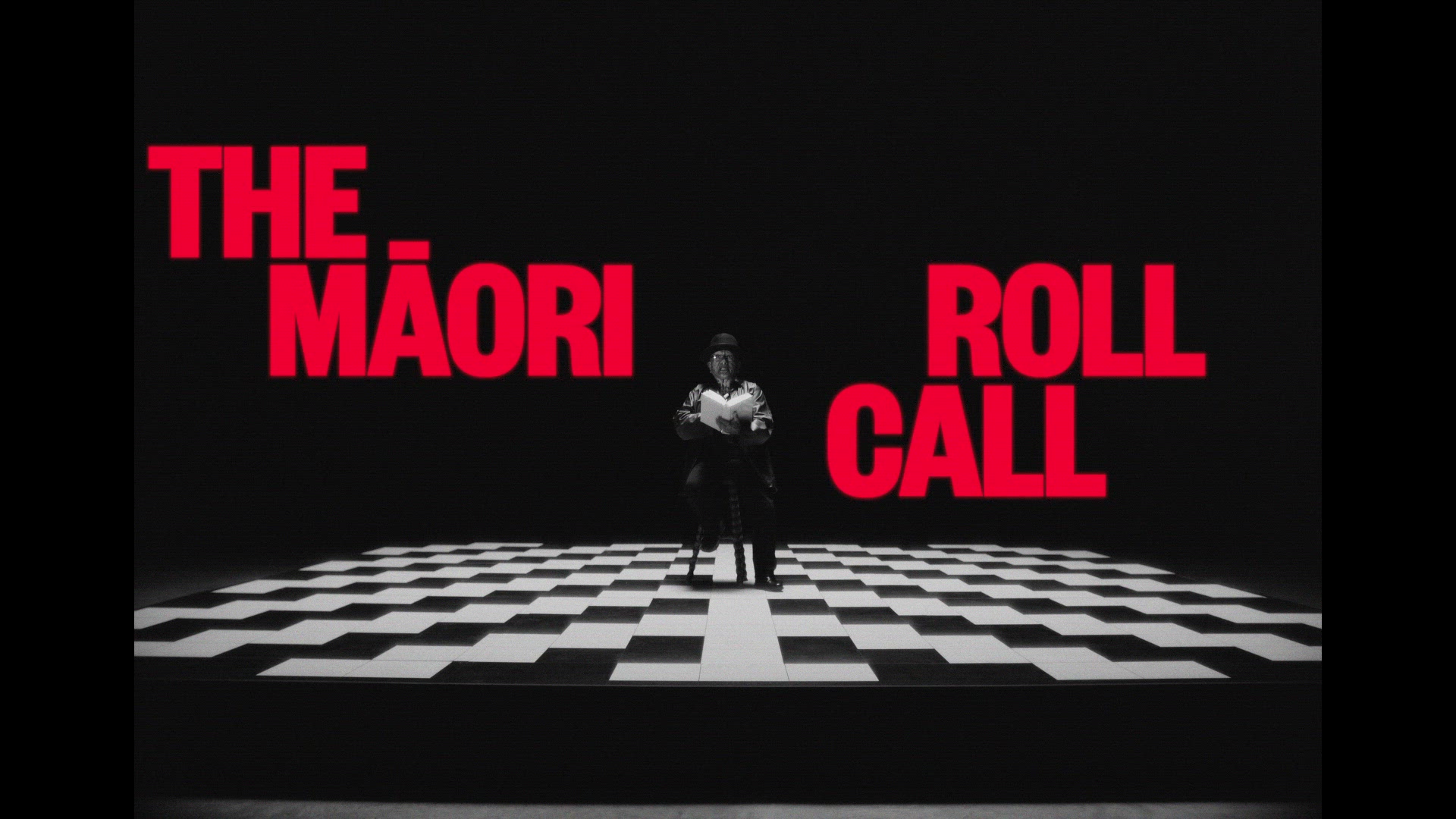
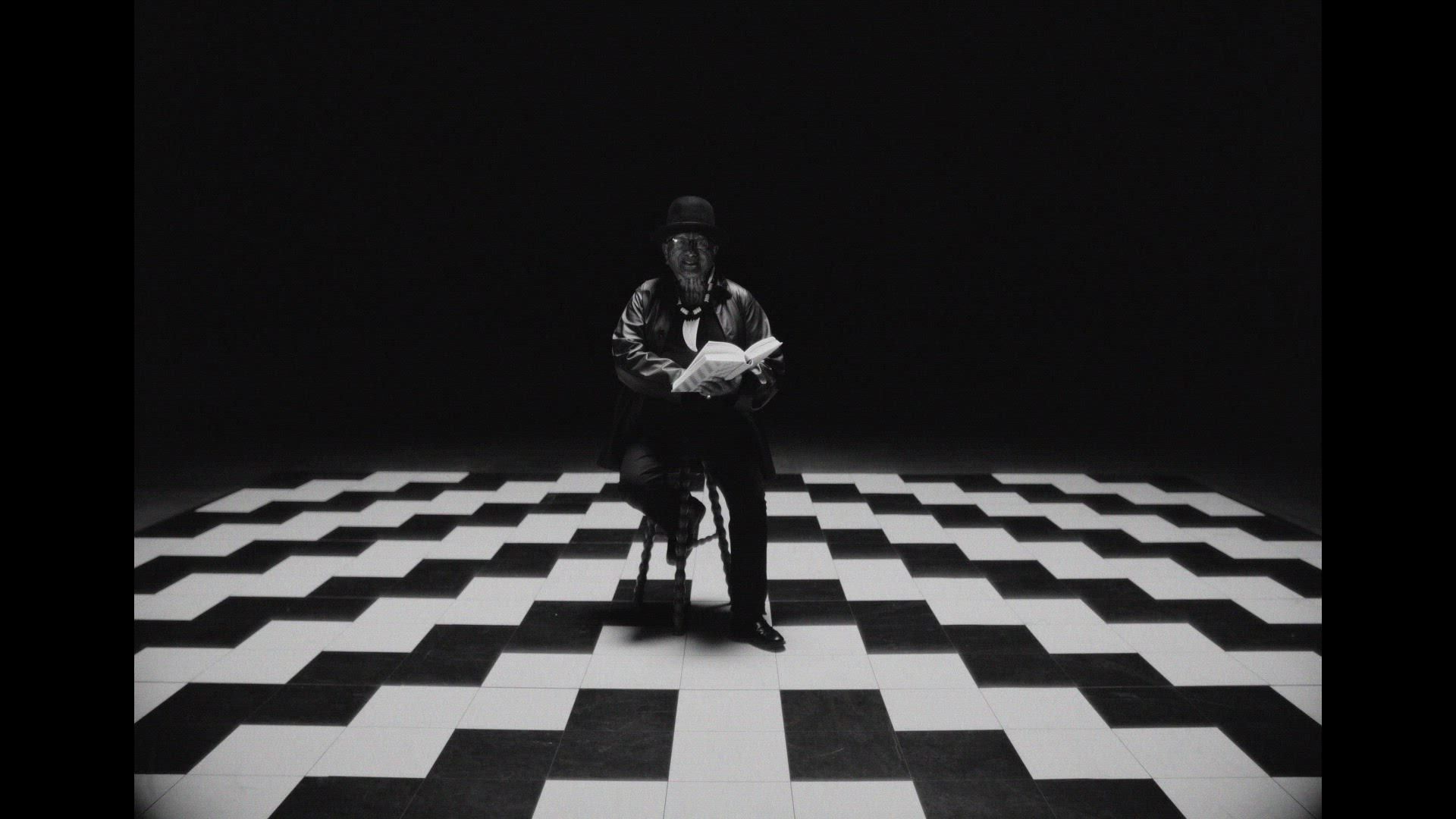
The black and white films were stark, symbolic, and restrained; featuring Tāme Iti reading names from a book on a small stage. The stage was inspired by the press gallery of New Zealand’s parliament – a space where politicians frequently face the media after leaving the debating chamber. This space is known for its iconic black and white checkered floor. For our film, this was reimagined into a traditional Māori Poutama; a stepped pattern that symbolises the upward journey of growth, learning and the pursuit of knowledge. The soundtrack featured traditional Taonga Puoro (Māori instruments) to further build resonance with our audience.
The suite of films included New Zealand’s longest ever ad (a 30 minute roll call featuring Tāme Iti reading over 500 names), a hero 60 second film, and 30 and 15 second films that picked up where each one left off, creating a sense of a seamless list of names constantly growing.
The roll call of names flowed into radio, where the list continued; Out-of-Home, featuring names of people living in each region to add relevance; digital display, and social content where influencers read roll calls of new names. Photography of raised hands (a motif of the campaign) helped to demonstrate the growing movement of those responding to the call.
All material led to the campaign website, where people could submit their names to be part of the roll call after joining the Māori roll. Names were published live on the website as they were submitted.
The black and white films were stark, symbolic, and restrained; featuring Tāme Iti reading names from a book on a small stage. The stage was inspired by the press gallery of New Zealand’s parliament – a space where politicians frequently face the media after leaving the debating chamber. This space is known for its iconic black and white checkered floor. For our film, this was reimagined into a traditional Māori Poutama; a stepped pattern that symbolises the upward journey of growth, learning and the pursuit of knowledge. The soundtrack featured traditional Taonga Puoro (Māori instruments) to further build resonance with our audience.
The suite of films included New Zealand’s longest ever ad (a 30 minute roll call featuring Tāme Iti reading over 500 names), a hero 60 second film, and 30 and 15 second films that picked up where each one left off, creating a sense of a seamless list of names constantly growing.
The roll call of names flowed into radio, where the list continued; Out-of-Home, featuring names of people living in each region to add relevance; digital display, and social content where influencers read roll calls of new names. Photography of raised hands (a motif of the campaign) helped to demonstrate the growing movement of those responding to the call.
All material led to the campaign website, where people could submit their names to be part of the roll call after joining the Māori roll. Names were published live on the website as they were submitted.
Results
Electoral data won’t be released until after the local elections in November, but one result has been made public: since the campaign began, the number of people on the Māori roll has surpassed the threshold needed to create an 8th Māori seat in parliament. For context, there have been seven Māori seats in parliament since 2002; this will be the first change in 23 years.
- Across the campaign period (June 16-July 31):
- Media reached 1.5 million people in New Zealand.
-Media reached 54.6% of the Māori population (conservative estimate)
- 6.6 million impressions
- 23,613 engaged website sessions
- Over 6 million PR impressions
- The threshold for an 8th Māori seat has been reached, after 23 years.
- Across the campaign period (June 16-July 31):
- Media reached 1.5 million people in New Zealand.
-Media reached 54.6% of the Māori population (conservative estimate)
- 6.6 million impressions
- 23,613 engaged website sessions
- Over 6 million PR impressions
- The threshold for an 8th Māori seat has been reached, after 23 years.
2025 Awards
Total Points: 2
Merit Award
Credits
Agency
Motion Sickness
Client / Brand
Whānau Ora
Music / Sound Production Company
Liquid Studios
Composer
Jerome Kavanagh
Lachlan Anderson
Creative Director
Melina Fiolitakis
Scott Zuliani
Designer
Lauren Kjestrup
Director
Reagen Butler
Director of Photography
Darryl Ward
Executive Creative Director
Sam Stuchbury
Photographer
Holly Sarah Burgess
Producer
Morgan Leary
Strategist
Logan Barnes
Executive Producer
Matt McKenzie
Head of Strategy
Hilary Ngan Kee
Senior Art Director
Hamish Steptoe
Artworker
Sheridan Hampton
Chair
Merepeka Raukawa-Tait
Chief Data & Digital Officer
Brad Norman
Chief Operating Officer
Awerangi Tamihere MNZM
Colourist
Matic Prusnik
Costume Designer
Dan Ahwa
Katie Melody Rogers
Digital Media Planner
Ella Liddell
Director Data & Transformation
Alanna Harris
Director of Health Reforms
Lance Norman
Head of Māori Culture
Kātene Durie-Doherty
Head of Production
Joseph McAlpine
Junior Creative
Michael Ukwu
Oska Meyer
Make-up Artist
Megan Maxwell
Offline Editor
Archie Porter
Online Editor
Damian Golfinopoulos
Photography
Loupe
Pou Tikanga
Sir Mason Durie ONZ KNZM
Production Designer
Joseph Leary
Regional Engagement Coordinator
Corey McAleese
Hinemoana Durie-Shedlock
Melissa Waaka
Moewaka Te Rangi
Senior Media Planner
Shannon O'Connell
Sound Design
Craig Matuschka
VFX Artist
Stu Bedford
Related Awards