The One Show
The One Show is the world's most prestigious award show in advertising and design. For over 50 years, the Gold Pencil has been regarded as one of the top prizes in the creative industry. The One Show has a rich legacy of honoring some of the most groundbreaking ideas, created by some of the most remarkable minds in creativity.
You have exceeded your allotted number of views.
For full access to our extensive awards archive
Members Login Here
For full access to our extensive awards archive
Members Login Here
Category
Visual Effects / Single
Annual ID
OS25_MI097M
Background
Boxing has always been about more than just what happens in the ring—it’s a psychological battle of mind games, bravado, and trash talk. Fans don’t just watch fights; they immerse themselves in the rivalry, obsessing over press conference antics, viral soundbites, and meme-worthy moments. The challenge was to create a campaign that didn’t just promote the Usyk vs. Fury rematch but made it inescapable, owning the conversation long before fight night.
With Riyadh Season hosting the biggest boxing rematch of the century, the objective was to elevate sports marketing into pure entertainment, making the fight feel like a global pop culture event. The insight was simple—Usyk and Fury weren’t just preparing for a rematch, they were haunted by each other.
The challenge was to cut through the noise in an oversaturated sports market and ensure the fight dominated digital, social, and mainstream media. The film needed to be unskippable, shareable, and infinitely remixable, feeding fans exactly what they love about boxing rivalries—drama, humor, and obsession.
This led to Obsession, a campaign that transformed sports promotion into cinematic storytelling, turning the rivalry into a surreal, larger-than-life experience. With a blended mix of AI, CGI, and live-action, the fighters became an inescapable presence in each other’s lives, seeing and hearing one another everywhere. The campaign ensured that by the time the bell rang, the world was already watching.
With Riyadh Season hosting the biggest boxing rematch of the century, the objective was to elevate sports marketing into pure entertainment, making the fight feel like a global pop culture event. The insight was simple—Usyk and Fury weren’t just preparing for a rematch, they were haunted by each other.
The challenge was to cut through the noise in an oversaturated sports market and ensure the fight dominated digital, social, and mainstream media. The film needed to be unskippable, shareable, and infinitely remixable, feeding fans exactly what they love about boxing rivalries—drama, humor, and obsession.
This led to Obsession, a campaign that transformed sports promotion into cinematic storytelling, turning the rivalry into a surreal, larger-than-life experience. With a blended mix of AI, CGI, and live-action, the fighters became an inescapable presence in each other’s lives, seeing and hearing one another everywhere. The campaign ensured that by the time the bell rang, the world was already watching.
Creative Idea
The core idea of Obsession was to bring the fighters’ rivalry to life in the most surreal and exaggerated way possible—what if Usyk and Fury were so consumed by the rematch that they literally couldn’t escape each other?
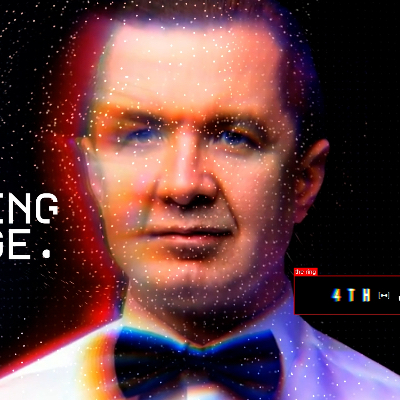
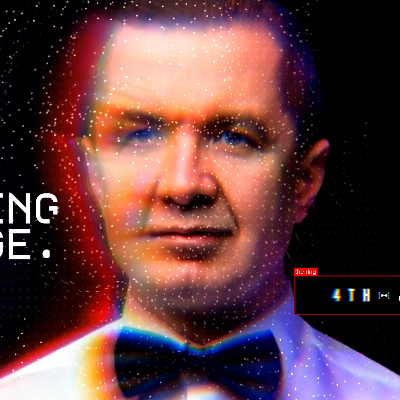
Instead of a traditional fight promo, the campaign turned their trash talk and mind games into a haunting, cinematic experience. The hero film followed Fury and Usyk as they saw and heard each other everywhere—in mirrors, on billboards, in everyday people—creating a visual metaphor for their obsession.
AI and CGI were used to seamlessly integrate hallucinations, face replacements, and surreal transformations, making their rivalry feel larger than life. The choice of Kylie Minogue’s “Can’t Get You Out of My Head” further reinforced the theme, adapted into a haunting, horror-like score that amplified their psychological torment.
Every aspect of the campaign was designed for virality, turning the most iconic and meme-worthy moments of both fighters into content made to be shared. Whether through organic fan engagement, influencer amplification, or social media interaction, Obsession wasn’t just a campaign—it was a cultural event that made the fight inescapable.
Instead of a traditional fight promo, the campaign turned their trash talk and mind games into a haunting, cinematic experience. The hero film followed Fury and Usyk as they saw and heard each other everywhere—in mirrors, on billboards, in everyday people—creating a visual metaphor for their obsession.
AI and CGI were used to seamlessly integrate hallucinations, face replacements, and surreal transformations, making their rivalry feel larger than life. The choice of Kylie Minogue’s “Can’t Get You Out of My Head” further reinforced the theme, adapted into a haunting, horror-like score that amplified their psychological torment.
Every aspect of the campaign was designed for virality, turning the most iconic and meme-worthy moments of both fighters into content made to be shared. Whether through organic fan engagement, influencer amplification, or social media interaction, Obsession wasn’t just a campaign—it was a cultural event that made the fight inescapable.
Insights & Strategy
Boxing’s most viral moments happen outside the ring, in press conferences, trash talk, and larger-than-life rivalries. The best fight promotions don’t just sell the event, they own the conversation leading up to it. The insight? Fans aren’t just watching a fight; they’re emotionally invested in the rivalry.
With Riyadh Season hosting the rematch, the strategy was to create a campaign that didn’t feel like an ad—it had to feel like entertainment in itself. By turning pre-fight tension into a cinematic spectacle, Obsession blurred the lines between marketing and pop culture.
To achieve maximum engagement, the campaign was designed as a social-first experience. The hero film wasn’t just a video; it was a library of viral moments, broken down into bite-sized clips, GIFs, and memes, ensuring organic fan participation across X, TikTok, and Instagram. Influencers, athletes, and sports commentators were activated to amplify the content, making Obsession impossible to ignore.
AI and CGI played a critical role in executing the vision, creating surreal transformations that kept audiences engaged and talking. The fighters themselves were turned into symbols of their own obsession, ensuring the campaign extended beyond sports audiences into mainstream entertainment.
The strategy worked—Obsession wasn’t just watched, it was shared, remixed, and meme-ified, proving that great sports marketing isn’t about selling a fight—it’s about making it an event the world can’t stop talking about.
With Riyadh Season hosting the rematch, the strategy was to create a campaign that didn’t feel like an ad—it had to feel like entertainment in itself. By turning pre-fight tension into a cinematic spectacle, Obsession blurred the lines between marketing and pop culture.
To achieve maximum engagement, the campaign was designed as a social-first experience. The hero film wasn’t just a video; it was a library of viral moments, broken down into bite-sized clips, GIFs, and memes, ensuring organic fan participation across X, TikTok, and Instagram. Influencers, athletes, and sports commentators were activated to amplify the content, making Obsession impossible to ignore.
AI and CGI played a critical role in executing the vision, creating surreal transformations that kept audiences engaged and talking. The fighters themselves were turned into symbols of their own obsession, ensuring the campaign extended beyond sports audiences into mainstream entertainment.
The strategy worked—Obsession wasn’t just watched, it was shared, remixed, and meme-ified, proving that great sports marketing isn’t about selling a fight—it’s about making it an event the world can’t stop talking about.
Execution
The hero film blended live-action, AI, and CGI to create a surreal, high-energy narrative that followed Usyk and Fury as they became haunted by each other, unable to escape their obsession. The fighters were filmed separately in different countries, requiring precise camera matching, lighting, and post-production compositing to unify their performances.
AI face replacement was used for mid and wide shots, allowing seamless expressions and movement integration onto actors. CGI brought impossible moments to life—faces on boxing gloves, eerie reflections, and hallucinatory transformations. The choice of Kylie Minogue’s “Can’t Get You Out of My Head”, adapted into a haunting, horror-like version, reinforced the feeling of inescapable obsession.
The film was strategically rolled out across digital and social platforms, with key clips extracted for virality. Social-first content was designed for easy sharing, meme culture, and reaction videos, ensuring fans participated in the campaign. The content was amplified by sports influencers, boxing legends, and media partners, creating a global cultural conversation leading up to the fight.
Beyond digital, the campaign extended to broadcast partners like DAZN, TNT, ESPN, and OOH activations in key markets, including Japan, Saudi Arabia, Ukraine, the UK, and the US. This ensured the film transcended platforms, reaching both casual viewers and hardcore boxing fans alike.
By combining cutting-edge technology, cinematic craft, and internet culture, Obsession didn’t just promote a fight—it redefined what sports marketing could be.
AI face replacement was used for mid and wide shots, allowing seamless expressions and movement integration onto actors. CGI brought impossible moments to life—faces on boxing gloves, eerie reflections, and hallucinatory transformations. The choice of Kylie Minogue’s “Can’t Get You Out of My Head”, adapted into a haunting, horror-like version, reinforced the feeling of inescapable obsession.
The film was strategically rolled out across digital and social platforms, with key clips extracted for virality. Social-first content was designed for easy sharing, meme culture, and reaction videos, ensuring fans participated in the campaign. The content was amplified by sports influencers, boxing legends, and media partners, creating a global cultural conversation leading up to the fight.
Beyond digital, the campaign extended to broadcast partners like DAZN, TNT, ESPN, and OOH activations in key markets, including Japan, Saudi Arabia, Ukraine, the UK, and the US. This ensured the film transcended platforms, reaching both casual viewers and hardcore boxing fans alike.
By combining cutting-edge technology, cinematic craft, and internet culture, Obsession didn’t just promote a fight—it redefined what sports marketing could be.
Results
The campaign dominated digital and social platforms, generating 4.2 billion impressions across 96 countries and 12.4 million organic views. Obsession ranked #1 on Xports, proving it wasn’t just a boxing ad—it was a global event.
Engagement skyrocketed, with 231% higher interaction than any other boxing ad, turning passive viewers into active participants. Fans remixed, reacted, and meme-ified the content, ensuring it stayed at the center of sports conversations. The campaign also drove new audiences to boxing, with 30% of viewers expressing interest in watching the sport for the first time.
Beyond numbers, Obsession reshaped sports marketing, proving that fight promotion can be cinematic, viral, and unforgettable. Riyadh Season wasn’t just hosting a fight—it owned the narrative, making this rematch a cultural moment the world couldn’t ignore.
Engagement skyrocketed, with 231% higher interaction than any other boxing ad, turning passive viewers into active participants. Fans remixed, reacted, and meme-ified the content, ensuring it stayed at the center of sports conversations. The campaign also drove new audiences to boxing, with 30% of viewers expressing interest in watching the sport for the first time.
Beyond numbers, Obsession reshaped sports marketing, proving that fight promotion can be cinematic, viral, and unforgettable. Riyadh Season wasn’t just hosting a fight—it owned the narrative, making this rematch a cultural moment the world couldn’t ignore.
2025 Awards
Total Points: 3

Merit

Credits
Agency
BigTime Creative Shop / Riyadh
Production Company
Riff Raff Films
Music / Sound Production Company
750mph / London
The Hogan / London
Post Production Company
Selected Works / London
Art Director
Bruno Freitas
Chief Creative Officer
Rayyan Aoun
Creative Director
Saymon Medeiros
Director
Megaforce Megaforce
Director of Photography
Arnaud Potier
Producer
Kate Brady
Executive Producer
Tracey Cooper
Post Executive Producer
Sean Costelloe
Senior Art Director
Gustavo Bilesimo
Social Media Director
Nael Girgis
VFX Creative Director
Francois Roison
CEO
Mohammed Sehly
Chairman of GEA
H.E. Turki Alalshikh
Colourist
Hannibal Lang
Costume Designer
The Lipops
Head of Creative & Innovation Operations
Ehab Armanious
Post 2nd Lead
Pete Hodsman
Post 3rd Lead
Mickey O'donoghue
Post Producer
Will Howland
Production Designer
Andy Kelly
Sn. Agency Producer
Inas Nagy
Sn. Business Director
Ziad Chehab
Technical Director
Adame Boutrif
Related Awards