The One Show
The One Show is the world's most prestigious award show in advertising and design. For over 50 years, the Gold Pencil has been regarded as one of the top prizes in the creative industry. The One Show has a rich legacy of honoring some of the most groundbreaking ideas, created by some of the most remarkable minds in creativity.
Learn more about The One Show 2026
Category
Original Music / Score - Long Form
Annual ID
OS25_MS023B
Background
Launched in Canada in 1991, White Ribbon is a global movement of men and boys combatting gender-based violence and discrimination by encouraging gender equity, healthy relationships, and allyship.
Every year for White Ribbon, we look at the cultural landscape and pivot to where we see the biggest need. This year, we turned our attention to the alarming rise of unchecked misogyny spread by male influencers in the “manosphere,” a term that is only now becoming more generally known. The manosphere is a growing online community that promotes hateful, misogynistic rhetoric, which fuels attitudes among young men and boys that contribute to gender-based violence.
As Western politics swing further to the right, the influence of the manosphere is growing, particularly among boys and young men. Amid rising online polarization and hate speech, this campaign aims to educate, promote respect, and challenge the dangerous ideologies that drive gender-based violence today.
Every year for White Ribbon, we look at the cultural landscape and pivot to where we see the biggest need. This year, we turned our attention to the alarming rise of unchecked misogyny spread by male influencers in the “manosphere,” a term that is only now becoming more generally known. The manosphere is a growing online community that promotes hateful, misogynistic rhetoric, which fuels attitudes among young men and boys that contribute to gender-based violence.
As Western politics swing further to the right, the influence of the manosphere is growing, particularly among boys and young men. Amid rising online polarization and hate speech, this campaign aims to educate, promote respect, and challenge the dangerous ideologies that drive gender-based violence today.
Creative Idea
To combat the rise of influencers in the manosphere, we created one of our own—Max Hate, a malevolent, misogynistic puppet inspired by today’s most toxic “masculinity influencers.” Max served as a visual metaphor for how young boys are manipulated into becoming puppets of online hate.
We used him to expose the inner workings of the manosphere while empowering families and young men to recognize, question, and reject its harmful narratives.
We used him to expose the inner workings of the manosphere while empowering families and young men to recognize, question, and reject its harmful narratives.
Insights & Strategy
A national survey revealed that 70% of Canadians are worried about the effects of hateful online content on children, with major concerns focused on its impact on male-female relationships (74%), aggression (60%), and empathy (60%). Despite these concerns, 83% of Canadians—and 82% of parents with boys—are unfamiliar with the manosphere, a largely unchecked online community that includes controversial figures like Andrew Tate.
Our research also showed that the manosphere thrives across many social platforms—YouTube videos, chat rooms, and beyond—where so-called “masculinity influencers” target vulnerable young boys searching for guidance.
These influencers exploit insecurities by first discussing seemingly positive topics like physical fitness and confidence, only to pivot to messages that promote power and control over women and society. Their toxic messaging, designed as clickbait to drive profit, reinforces harmful beliefs and leaves young men without the context to understand what’s really being communicated.
We believe that young men will feel truly empowered when they have the knowledge to critically evaluate these messages and make informed decisions for themselves.
Our research also showed that the manosphere thrives across many social platforms—YouTube videos, chat rooms, and beyond—where so-called “masculinity influencers” target vulnerable young boys searching for guidance.
These influencers exploit insecurities by first discussing seemingly positive topics like physical fitness and confidence, only to pivot to messages that promote power and control over women and society. Their toxic messaging, designed as clickbait to drive profit, reinforces harmful beliefs and leaves young men without the context to understand what’s really being communicated.
We believe that young men will feel truly empowered when they have the knowledge to critically evaluate these messages and make informed decisions for themselves.
Execution
Our creative approach was inspired by the stark, aggressive tone of online misogynistic ideology. We knew we had to counter it head-on with an equally loud voice, mirroring the raw, shocking messages countless influencers are preaching to young boys online. It’s why the story—and Max Hate’s dialogue in particular—was directly inspired by real language and tactics used by influencers in the manosphere.
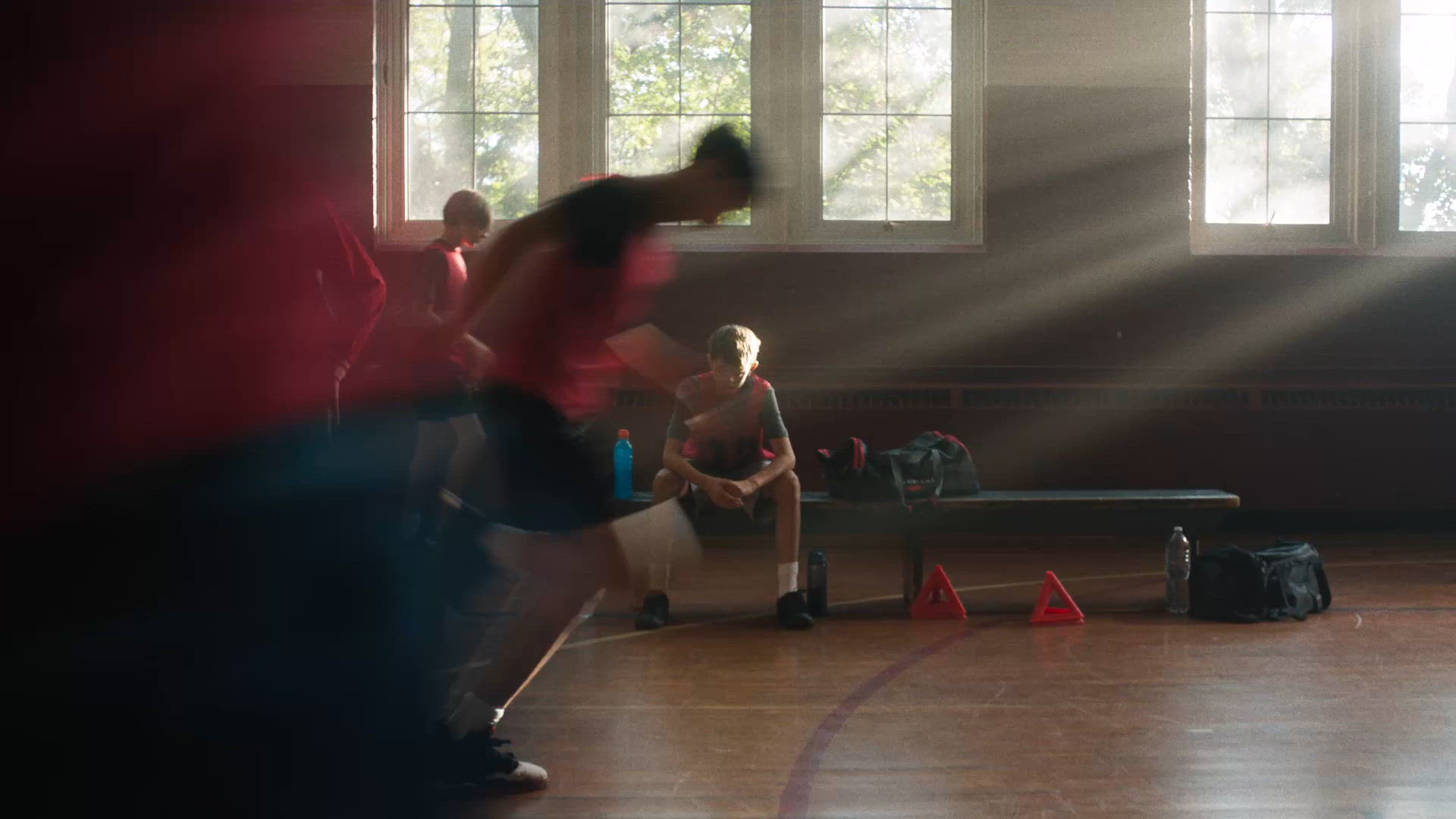
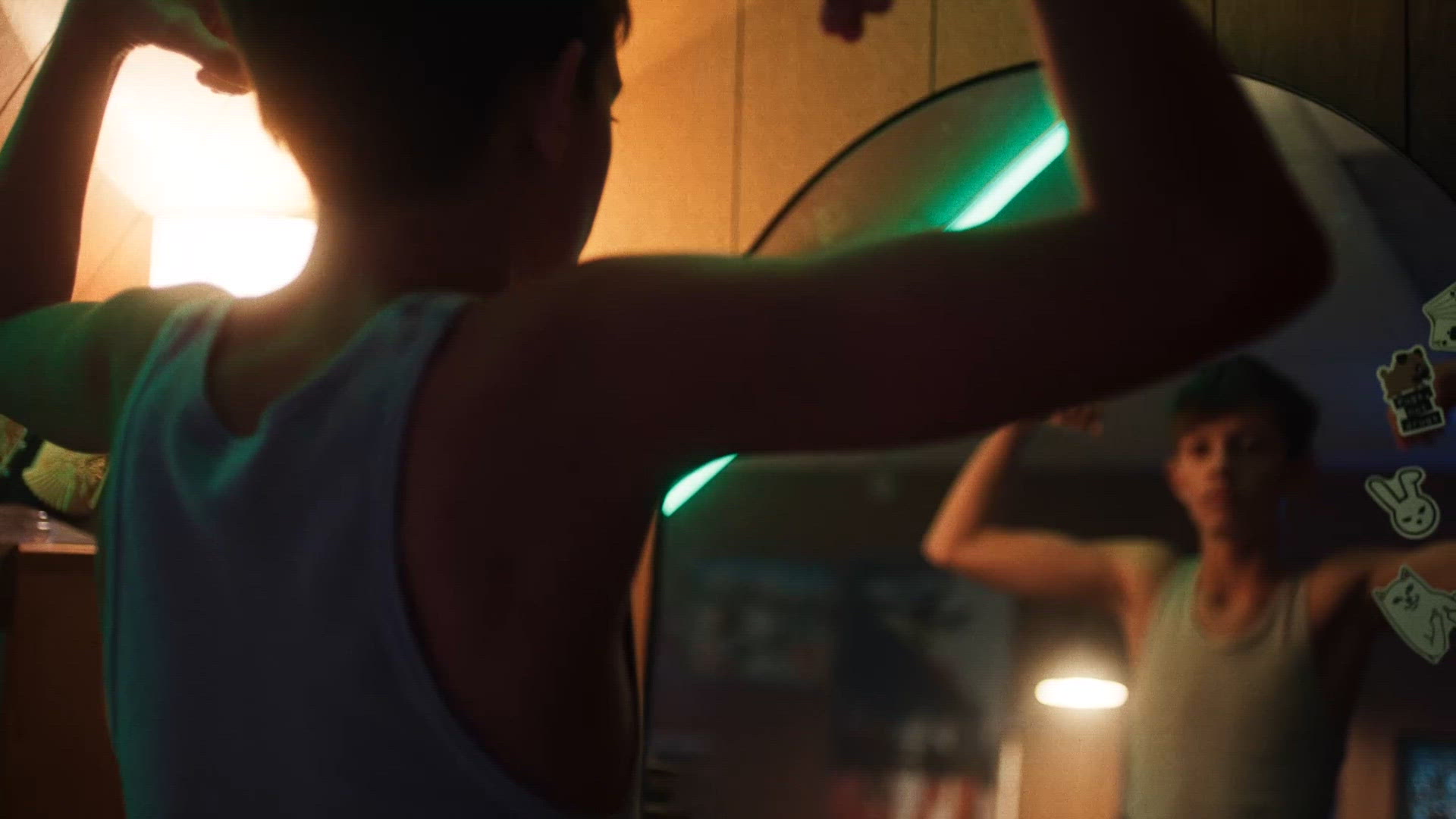
The campaign worked in two parts. First, a three-minute film educated parents about the pervasive spread of online misogyny—equipping them to recognize the risks and better protect their children. The film follows the story of an isolated young boy who falls under Max Hate’s influence.
Second, we launched a TikTok account for Max Hate (@max_hate_) alongside a targeted social content series speaking directly to boys and young men. These posts revealed how influencers exploit their insecurities—spreading hate not for empowerment, but for profit.
To further support families, we created an online resource hub on the campaign landing page, offering education on how to spot harmful online communities, along with support tools for young men trying to break free.
The campaign worked in two parts. First, a three-minute film educated parents about the pervasive spread of online misogyny—equipping them to recognize the risks and better protect their children. The film follows the story of an isolated young boy who falls under Max Hate’s influence.
Second, we launched a TikTok account for Max Hate (@max_hate_) alongside a targeted social content series speaking directly to boys and young men. These posts revealed how influencers exploit their insecurities—spreading hate not for empowerment, but for profit.
To further support families, we created an online resource hub on the campaign landing page, offering education on how to spot harmful online communities, along with support tools for young men trying to break free.
Results
The film and social campaign quickly went viral, sparking widespread conversation among parents and educators. Garnering 3 million views across TikTok, Instagram, and YouTube, the content racked up 260,000 likes and 60,000 shares.
In a battle spanning over 4,000 comments, the manosphere attempted to troll the campaign—but an overwhelming number of parents rallied in its defense. They shared, saved, and celebrated the work, effectively drowning out the negativity and demonstrating a powerful embrace of its message. Engagement soared to 52%, underscoring the community’s strong support.
Maintaining a 99% positive sentiment, the campaign is now being used in schools across Canada to educate young men about the dangers of online radicalization. It also delivered an impressive $370K media value on a $0 media budget.
In a battle spanning over 4,000 comments, the manosphere attempted to troll the campaign—but an overwhelming number of parents rallied in its defense. They shared, saved, and celebrated the work, effectively drowning out the negativity and demonstrating a powerful embrace of its message. Engagement soared to 52%, underscoring the community’s strong support.
Maintaining a 99% positive sentiment, the campaign is now being used in schools across Canada to educate young men about the dangers of online radicalization. It also delivered an impressive $370K media value on a $0 media budget.
2025 Awards
Total Points: 9

Bronze Pencil

Credits
Agency
Bensimon Byrne / Toronto
Digital Agency
Super Proper
Production Company
Westside Studio
Music / Sound Production Company
Berkeley Inc.
Post Production Company
Alter Ego
Rooster Post
Art Director
Zoë Gray
Associate Creative Director
Ana Segurajauregui Sanchez
Chief Creative Officer
Joseph Bonnici
Copywriter
Nate Houseley
Creative Director
David Mueller
Director
Angie Bird
Director of Photography
Mat Barkley
Executive Creative Director
Debbie Chan
Agency Producer
Michelle Pilling
Executive Producer
Amanda Morrison
Casting Company
Jigsaw Casting
Colourist
Eric Whipp
Editor Assist
Matt Blakely
Line Producer
Kailey Shangue
Managing Director, EVP
Dan Moseley
Program Director
Oliver Glover
Senior Business Lead
Pat Martini
Sound Director/Engineer
Jared Kuemper
Sound engineer
Marcel Hidalgo
Tyler Young
Related Awards