The One Show
The One Show is the world's most prestigious award show in advertising and design. For over 50 years, the Gold Pencil has been regarded as one of the top prizes in the creative industry. The One Show has a rich legacy of honoring some of the most groundbreaking ideas, created by some of the most remarkable minds in creativity.
Category
Film & Video
Annual ID
OS26_ID087M
Background
Papaya operates in a category dominated by mechanics rather than meaning. Real-money and casual gaming platforms compete loudly on incentives, odds, formats, and frequency, reducing play to something transactional and easily ignored unless it is shouting for attention.
The core challenge was not awareness or functionality. It was relevance. Every brand in the category was explaining how to play, why to play, or what you might win. Very few were addressing why people play in the first place.
Culturally, play has become over-engineered. Screen-based, optimised, competitive, and constantly measured. In the process, something basic has been lost. The feeling of play as a physical, emotional experience rather than a system to be learned.
The brief was to reconnect Papaya to that feeling. Not through product demonstration or gaming language, but by tapping into a shared human memory that exists before rules, screens, or skill levels.
The ambition was to make Papaya feel different without explanation. To create a piece of work people responded to instinctively, not rationally, and in doing so reposition the brand as one that understands play at its most fundamental level.
The Swing film became the answer. A deliberate step away from category conventions, using a culturally universal experience to remind people what play actually feels like.
The core challenge was not awareness or functionality. It was relevance. Every brand in the category was explaining how to play, why to play, or what you might win. Very few were addressing why people play in the first place.
Culturally, play has become over-engineered. Screen-based, optimised, competitive, and constantly measured. In the process, something basic has been lost. The feeling of play as a physical, emotional experience rather than a system to be learned.
The brief was to reconnect Papaya to that feeling. Not through product demonstration or gaming language, but by tapping into a shared human memory that exists before rules, screens, or skill levels.
The ambition was to make Papaya feel different without explanation. To create a piece of work people responded to instinctively, not rationally, and in doing so reposition the brand as one that understands play at its most fundamental level.
The Swing film became the answer. A deliberate step away from category conventions, using a culturally universal experience to remind people what play actually feels like.
Creative Idea
The creative idea was to reframe play through nostalgia, by taking something deeply familiar and showing it in an unexpected way.
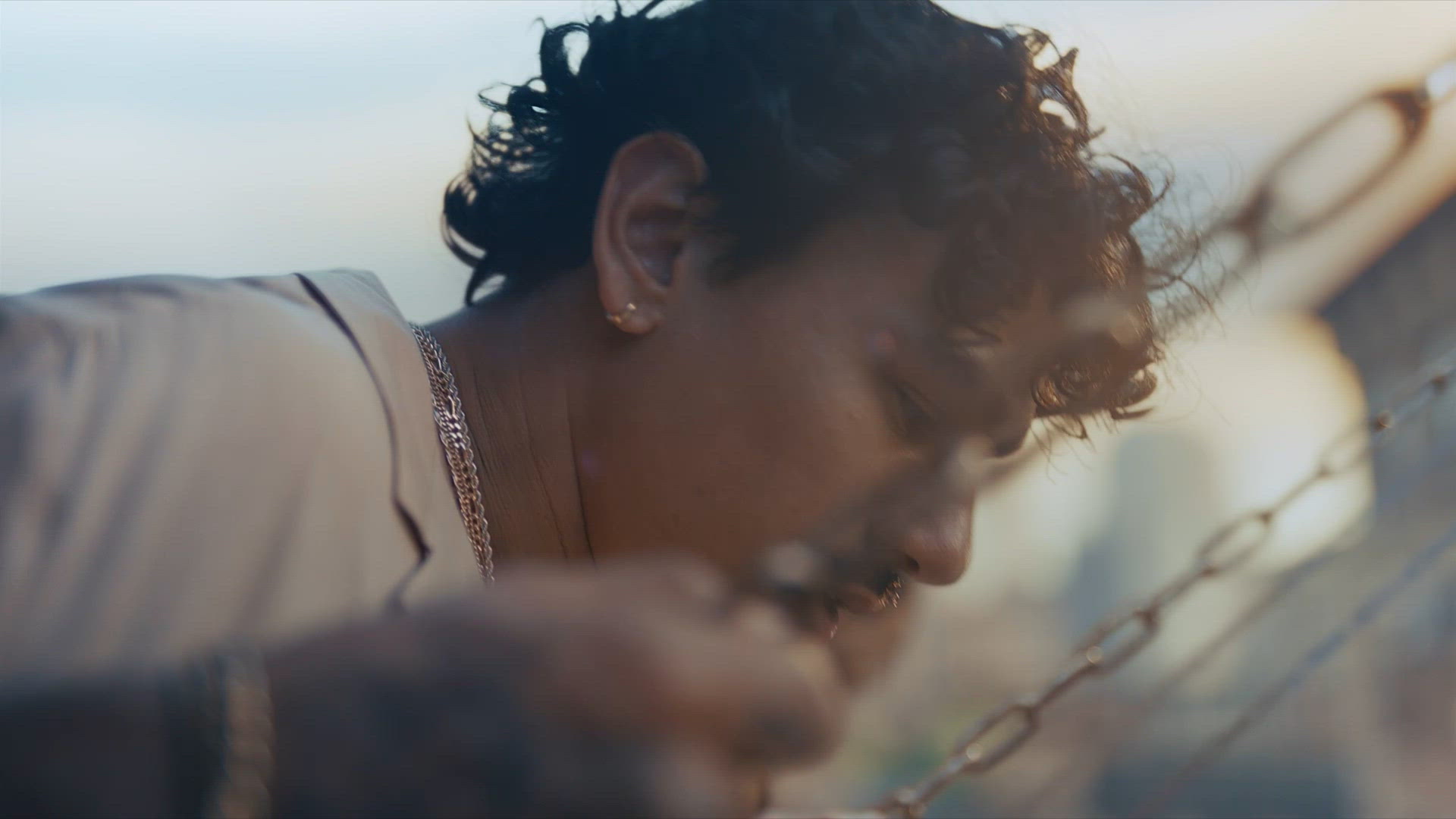
The film depicts two friends swinging together, but instead of a playground, they move through the canyon of a New York City street. A childhood experience is placed into an adult, urban environment, collapsing past and present into the same moment.
That contrast was intentional. The swing is instantly recognisable, but its setting is not. By placing a simple, physical form of play into the scale and rhythm of the city, the film evokes a memory rather than explains a message. It allows the audience to recognise the feeling before processing the idea.
The execution focused on motion, rhythm, and connection between the two characters. Camera movement, pacing, and sound design were used to mirror the sensation of swinging, building momentum and release as they travel through the city together.
Brand presence was restrained and secondary to the experience. There was no explanation of gameplay or rewards. The belief was that by reminding people what play feels like, Papaya could be positioned as a brand rooted in joy and shared experience rather than mechanics.
The result was a piece of work that used nostalgia not as sentimentality, but as a way to make play feel human again.
The film depicts two friends swinging together, but instead of a playground, they move through the canyon of a New York City street. A childhood experience is placed into an adult, urban environment, collapsing past and present into the same moment.
That contrast was intentional. The swing is instantly recognisable, but its setting is not. By placing a simple, physical form of play into the scale and rhythm of the city, the film evokes a memory rather than explains a message. It allows the audience to recognise the feeling before processing the idea.
The execution focused on motion, rhythm, and connection between the two characters. Camera movement, pacing, and sound design were used to mirror the sensation of swinging, building momentum and release as they travel through the city together.
Brand presence was restrained and secondary to the experience. There was no explanation of gameplay or rewards. The belief was that by reminding people what play feels like, Papaya could be positioned as a brand rooted in joy and shared experience rather than mechanics.
The result was a piece of work that used nostalgia not as sentimentality, but as a way to make play feel human again.
Insights & Strategy
The strategy was built around a simple but underexploited truth: play does not stop mattering in adulthood, but culturally it is often treated as something childish, trivial, or guilty.
Research across psychology, gaming behaviour, and culture showed that play plays a vital role in adult life. It helps people process emotions, build confidence, test identity, and feel progress. Yet the gaming category largely fails to reflect this. Casual gaming often presents itself in an infantilising way, while serious gaming positions itself as intense, competitive, and exclusionary. Both approaches create barriers.
Papaya’s opportunity was to reclaim a middle ground. To make play feel adult without becoming joyless, and playful without becoming childish. The strategic ambition was to take ownership of The Power of Play and restore it as something positive, relevant, and culturally credible.
The core audience, identified as “Killers”, are motivated by mastery, autonomy, and purpose. They value progress, control, and personal growth, but they do not respond to overt bravado or exaggerated reward messaging. The strategy therefore focused on appealing to instinct rather than instruction, and emotion rather than explanation.
The intended purpose of the work was to reposition Papaya from a transactional gaming platform into a brand that understands play as a meaningful human force. Swing became the first expression of this strategy: a piece designed to make people feel play again, instinctively and emotionally, and in doing so establish Papaya as a brand rooted in joy, progress, and shared experience rather than mechanics or incentives.
Research across psychology, gaming behaviour, and culture showed that play plays a vital role in adult life. It helps people process emotions, build confidence, test identity, and feel progress. Yet the gaming category largely fails to reflect this. Casual gaming often presents itself in an infantilising way, while serious gaming positions itself as intense, competitive, and exclusionary. Both approaches create barriers.
Papaya’s opportunity was to reclaim a middle ground. To make play feel adult without becoming joyless, and playful without becoming childish. The strategic ambition was to take ownership of The Power of Play and restore it as something positive, relevant, and culturally credible.
The core audience, identified as “Killers”, are motivated by mastery, autonomy, and purpose. They value progress, control, and personal growth, but they do not respond to overt bravado or exaggerated reward messaging. The strategy therefore focused on appealing to instinct rather than instruction, and emotion rather than explanation.
The intended purpose of the work was to reposition Papaya from a transactional gaming platform into a brand that understands play as a meaningful human force. Swing became the first expression of this strategy: a piece designed to make people feel play again, instinctively and emotionally, and in doing so establish Papaya as a brand rooted in joy, progress, and shared experience rather than mechanics or incentives.
Execution
The execution of Swing was driven by the belief that feeling cannot be faked. The work needed to be physically real in order to land emotionally.
The film was shot practically, not simulated. Two performers swing together through the canyon of a New York City street, placing a familiar childhood experience into an unfamiliar, adult environment. This contrast was central to the idea and demanded absolute authenticity in motion, scale, and risk. To achieve this, specialist stunt coordinators with experience on large-scale productions including Dune and Mission Impossible were brought in. A bespoke rig was built, suspending the cast from a 165-foot crane with custom camera mounts, allowing the swing to be performed repeatedly over several days until the rhythm felt right.
Craft choices were intentionally restrained. The camera movement mirrors the arc of swinging. The edit allows moments of suspension and release. Sound design and James Blake’s vocal performance were used sparingly, supporting the sensation rather than instructing the viewer how to feel. The tone avoids spectacle or excess. It is intimate, human, and slightly surreal without becoming fantastical.
Brand presence is minimal and arrives late. There is no gameplay demonstration or interface. The experience leads, not the message.
The film launched as a 90-second spot in the UK on Boxing Day, debuting during the Manchester City vs. Everton match, a moment of mass attention when audiences are receptive and unguarded. From there, the work became the foundation for Papaya’s wider rollout in the UK and later the US.
While some assumed the film was created using AI, it was not. This execution demanded physical truth. Time, effort, and real-world craft were essential to creating something audiences could feel instinctively rather than analyse.
The film was shot practically, not simulated. Two performers swing together through the canyon of a New York City street, placing a familiar childhood experience into an unfamiliar, adult environment. This contrast was central to the idea and demanded absolute authenticity in motion, scale, and risk. To achieve this, specialist stunt coordinators with experience on large-scale productions including Dune and Mission Impossible were brought in. A bespoke rig was built, suspending the cast from a 165-foot crane with custom camera mounts, allowing the swing to be performed repeatedly over several days until the rhythm felt right.
Craft choices were intentionally restrained. The camera movement mirrors the arc of swinging. The edit allows moments of suspension and release. Sound design and James Blake’s vocal performance were used sparingly, supporting the sensation rather than instructing the viewer how to feel. The tone avoids spectacle or excess. It is intimate, human, and slightly surreal without becoming fantastical.
Brand presence is minimal and arrives late. There is no gameplay demonstration or interface. The experience leads, not the message.
The film launched as a 90-second spot in the UK on Boxing Day, debuting during the Manchester City vs. Everton match, a moment of mass attention when audiences are receptive and unguarded. From there, the work became the foundation for Papaya’s wider rollout in the UK and later the US.
While some assumed the film was created using AI, it was not. This execution demanded physical truth. Time, effort, and real-world craft were essential to creating something audiences could feel instinctively rather than analyse.
Results
Swing was designed as a brand-led awareness campaign, with success measured by cultural impact, salience, and consideration rather than short-term conversion.
The results showed a significant shift in how Papaya was noticed and perceived.
Prompted brand awareness increased from 1% to 75% following the campaign. Among Papaya’s key audience, brand awareness rose by 333%, establishing the brand rapidly in a previously low-salience category.
Interest and active consideration also increased. 70% of the key audience searched for Papaya, generating 16% more searches than the category’s top competitor, Candy Crush, despite its far greater scale and maturity.
Creative effectiveness scores reinforced the emotional intent of the work. 75% of the total audience, and 88% of the key audience, rated the campaign as extremely appealing, indicating that the work connected on a feeling level rather than being passively processed.
Together, these results demonstrate that Swing succeeded in its primary objective: introducing Papaya to a broad audience, differentiating it emotionally within the category, and creating strong, instinctive interest at launch.
The results showed a significant shift in how Papaya was noticed and perceived.
Prompted brand awareness increased from 1% to 75% following the campaign. Among Papaya’s key audience, brand awareness rose by 333%, establishing the brand rapidly in a previously low-salience category.
Interest and active consideration also increased. 70% of the key audience searched for Papaya, generating 16% more searches than the category’s top competitor, Candy Crush, despite its far greater scale and maturity.
Creative effectiveness scores reinforced the emotional intent of the work. 75% of the total audience, and 88% of the key audience, rated the campaign as extremely appealing, indicating that the work connected on a feeling level rather than being passively processed.
Together, these results demonstrate that Swing succeeded in its primary objective: introducing Papaya to a broad audience, differentiating it emotionally within the category, and creating strong, instinctive interest at launch.
2026 Awards
Total Points: 3

Merit

Credits
Agency
You're the Goods / New York
Production Company
MJZ / Los Angeles
Music / Sound Production Company
750mph / London
Mr Pape / London
Post Production Company
1920VFX / London
Related Awards