The One Show
The One Show is the world's most prestigious award show in advertising and design. For over 50 years, the Gold Pencil has been regarded as one of the top prizes in the creative industry. The One Show has a rich legacy of honoring some of the most groundbreaking ideas, created by some of the most remarkable minds in creativity.

Category
Print & Promotional for Good
Annual ID
OS26_PT026M
Background
Us Weekly has been seen as one of the country’s leading gossip magazines. But with the industry in decline, the publication knew it needed to make it a change. The ambition: become a credible leader in journalism—not just a celebrity tabloid.
To do this, we decided to take on one of the most sensationalized and scandalized topics — and lead an industry-wide change on the way it is reported.
To do this, we decided to take on one of the most sensationalized and scandalized topics — and lead an industry-wide change on the way it is reported.
Creative Idea
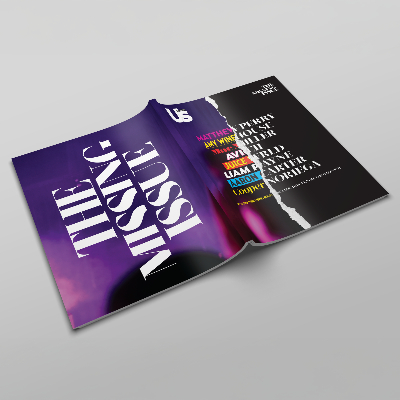
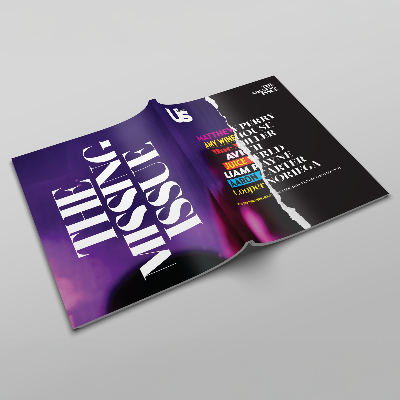
In partnership with the harris project, the only nonprofit dedicated to illuminating the connection between mental health struggles and drug misuse, Us Weekly launched The Missing Issue: a special edition magazine dedicated to rewriting their past sensationalist substance misuse stories to capture the mental health story that was originally missed.
Insights & Strategy
For decades, celebrity gossip magazines have sensationalized drug use, supercharging the stigma against the people who use them. However, as mental health research has progressed, we've come to learn that one in two people with substance use issues also have underlying mental health conditions, like depression, anxiety, and ADHD. This connection is known as co-occurring disorders.
With this knowledge in hand, Us Weekly sought to reform their approach to reporting on drug use, hoping to spur a wider change in the media—and those who consume it.
Digging through the archives, we discovered hundreds of stories about celebrity drug use fueled by mental health issues. And, yet, the connection was never made.
With this knowledge in hand, Us Weekly sought to reform their approach to reporting on drug use, hoping to spur a wider change in the media—and those who consume it.
Digging through the archives, we discovered hundreds of stories about celebrity drug use fueled by mental health issues. And, yet, the connection was never made.
Execution
To introduce The Missing Issue, we needed to reintroduce Us Weekly’s followers to the stories they thought they already knew. And open their eyes to what they had missed.
This came to life through a physical printed magazine uniquely designed to show the stories as they were originally printed on the left, contrasted with the deeply-researched, updated version of the stories on the right. Written in tandem with the leading expert in the field, the harris project, as well as a team of journalists, these stories were paired with an elevated look and feel, designed to to position Us Weekly as a major publication, leading the industry with journalistic integrity.
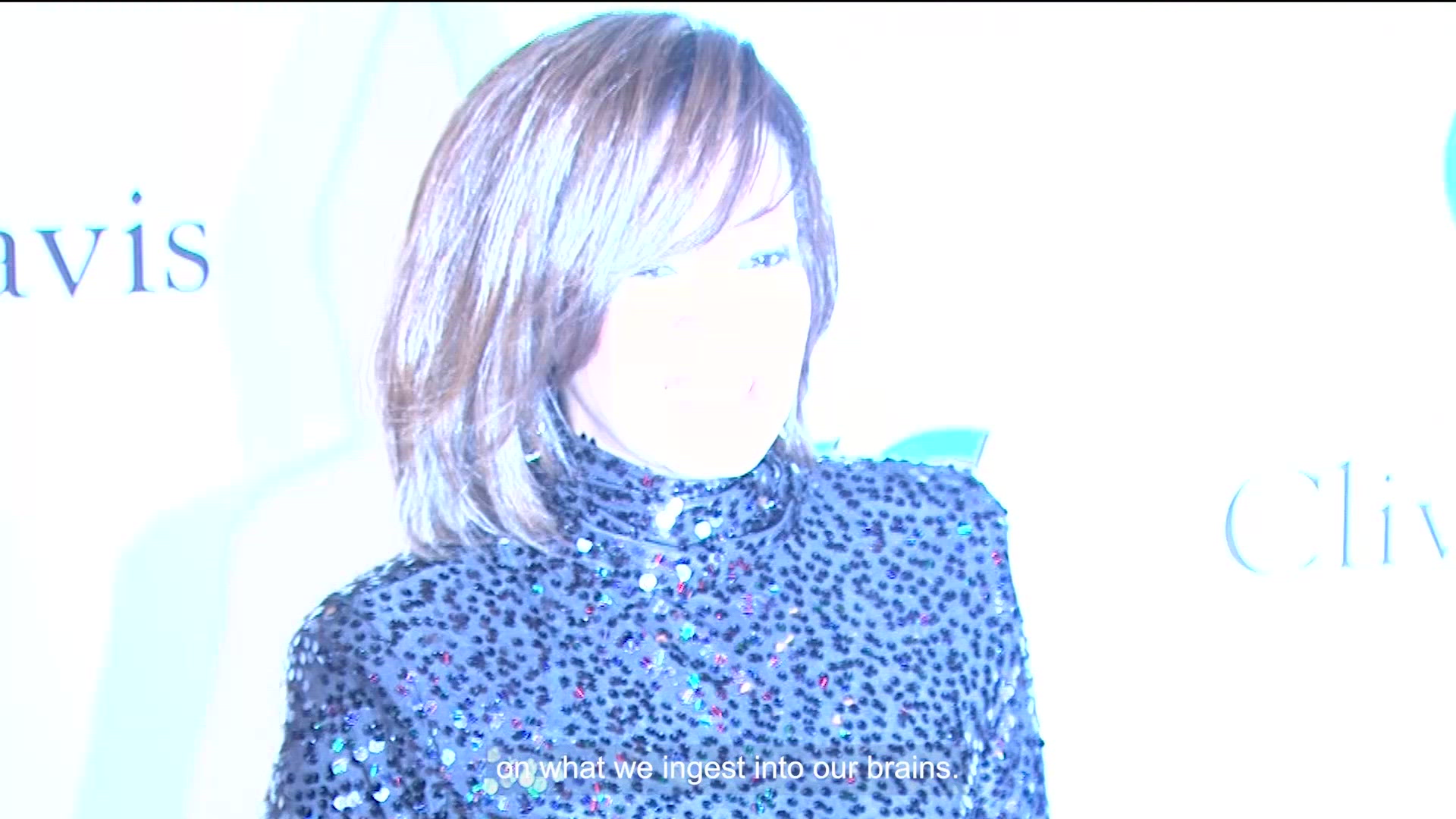
This special edition magazine was sold across the country through Us Weekly’s website and in select magazine retailers. Plus, out-of-home elements, a dramatic social media campaign and PR-driven teaser film drove to the updated digital articles, grabbing the attention of even casual gossip followers.
This came to life through a physical printed magazine uniquely designed to show the stories as they were originally printed on the left, contrasted with the deeply-researched, updated version of the stories on the right. Written in tandem with the leading expert in the field, the harris project, as well as a team of journalists, these stories were paired with an elevated look and feel, designed to to position Us Weekly as a major publication, leading the industry with journalistic integrity.
This special edition magazine was sold across the country through Us Weekly’s website and in select magazine retailers. Plus, out-of-home elements, a dramatic social media campaign and PR-driven teaser film drove to the updated digital articles, grabbing the attention of even casual gossip followers.
Results
Not only did The Missing Issue introduce Us Weekly’s 40 million monthly readers to the undertreated, underrepresented connection between mental health and substance use, but with over 2 billion media impressions, it drove immediate change in the reporting community.
As soon as the day after the magazine launched, we saw a significant change in the way publications from The Miami Herald to BBC Gossip to Entertainment Magazine reported on substance use—highlighting the important role that mental health plays.
As the first to re-break these stories, we were able to reposition Us Weekly from one of the least credible magazines in the country — a celebrity tabloid — into a leader in mental health reporting.
As soon as the day after the magazine launched, we saw a significant change in the way publications from The Miami Herald to BBC Gossip to Entertainment Magazine reported on substance use—highlighting the important role that mental health plays.
As the first to re-break these stories, we were able to reposition Us Weekly from one of the least credible magazines in the country — a celebrity tabloid — into a leader in mental health reporting.
2026 Awards
Total Points: 3

Merit
Credits
Agency
Havas / New York
PR / Marketing Agency
Havas Formula / New York
Client / Brand
the harris project
Us Weekly
Associate Creative Director
Nick Lindo
Seb Thomas
Chief Creative Officer
Jarrod Walpert
Dan Lucey
Chief Strategy Officer
Justine Feron
Content Creator
Shoaib Ali
Group Creative Director
Peter Nashel
Lindsey Rock
Vidhi Shah
Tyronne Schaffer
Editor
Spencer Campbell
Executive Creative Director
Joao Medeiros
Sound Designer
Andrew Green
Strategy Director
Colleen Hartnett
Writer
David Walters
Associate Producer
Hoa Vu
Executive Producer
Greg Tiefenbrun
Josh Kornrich
Head of Design
Nazly Kim
Managing Director & Executive Producer
Sarah Roebuck
Senior Art Director
Camille Walker
Hamza Ali
Senior Copywriter
Caroline Seibel
Senior Designer
Liberty Leben
Senior Producer
Gabriella Pizzitola
Jen Tremaglio
Account Executive
Natalie Lewandowski
Assitant Editor
Jackie Tullie
Associate Director
Celine McGoran
CEO
Sarah Collinson
Chief Production Officer
Melissa Tifrere
Digital Writer
Paige Strout
Director of Project Management
Lizz Leiser
Director, Music Licensing
Dana Hom
Editor-in-chief
Dan Wakeford
EVP, Comms Strategy
Jess Sheehan
Executive Editor
Brody Brown
Justin Ravitz
Executive Music Producer
Ross Hopman
Founder & President
Stephanie Marquesano
GFX Artist
Aaron Benoit
Elizabeth Shin
Head of Production
Alexandra Leal
Production Coordinator
Lou Baron
Senior Account Executive
Mikayla Murphy
Senior Business Manager
Suzanne Voss
Senior Music Producer
Giovanni Lobato
Special Projects Editor
Alicia Dennis
Related Awards