Young Ones Student Awards
The Young Ones competition is one of the most acclaimed advertising, interactive and design student competitions. It has a tradition of excellence dating back to 1986.


Category
Type Design / Text + Display Typefaces - Variable Font
Annual ID
YO26_T013S
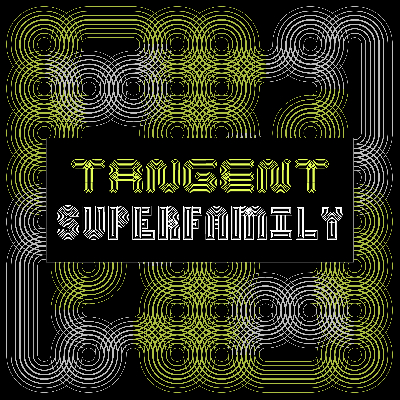
Breakpoint is a variable typeface developed through research into early systems of coding and secrecy, and a growing interest in how those practices remain relevant today. This project began by asking the following question: what would a typeface look like if secrecy were embedded directly into it, rather than applied manually through ciphers? Breakpoint is my response to that question.
The typeface is built around three primary variable axes—Redact, Scatter, and Distract—each representing a different way that information is concealed in contemporary digital environments. Redact covers up letterforms, mirroring acts of erasure and withheld access. Scatter fragments the type, breaking structure and continuity. Distract overwhelms the letterforms with complexity, where information becomes unreadable through excess. As these axes shift and combine, the typeface moves from legible to illegible, testing the limits of communication and what a typeface can be.
The name comes from web development, where a breakpoint marks the exact point a layout must change in order to function across different conditions. In a similar way, this typeface is designed around moments of extreme transformation. Pushing multiple axes to their limits tests not only the boundaries of typeface construction, but also the limitations of design programs themselves. As the typeface is used in practice, design software begins to break – resulting in programs quitting, restarting, and failing to export files.
Breakpoint is most functional on the web, where constant adaptation is already built into the infrastructure. Existing primarily within this space highlights the fleeting nature of digital information, where content shifts, disappears, or becomes inaccessible.
The typeface is built around three primary variable axes—Redact, Scatter, and Distract—each representing a different way that information is concealed in contemporary digital environments. Redact covers up letterforms, mirroring acts of erasure and withheld access. Scatter fragments the type, breaking structure and continuity. Distract overwhelms the letterforms with complexity, where information becomes unreadable through excess. As these axes shift and combine, the typeface moves from legible to illegible, testing the limits of communication and what a typeface can be.
The name comes from web development, where a breakpoint marks the exact point a layout must change in order to function across different conditions. In a similar way, this typeface is designed around moments of extreme transformation. Pushing multiple axes to their limits tests not only the boundaries of typeface construction, but also the limitations of design programs themselves. As the typeface is used in practice, design software begins to break – resulting in programs quitting, restarting, and failing to export files.
Breakpoint is most functional on the web, where constant adaptation is already built into the infrastructure. Existing primarily within this space highlights the fleeting nature of digital information, where content shifts, disappears, or becomes inaccessible.
2026 Awards
Total Points: 21
Student TDC Type High Silver

Credits
Designer
Kamber Lee
Type Designer
Kamber Lee
College / University
Rhode Island School of Design / Providence
Web Developer
Michael Lee
Related Awards