The One Show
The One Show is the world's most prestigious award show in advertising and design. For over 50 years, the Gold Pencil has been regarded as one of the top prizes in the creative industry. The One Show has a rich legacy of honoring some of the most groundbreaking ideas, created by some of the most remarkable minds in creativity.
Category
Innovation / New Ideas in Out of Home
Annual ID
OS25_OH044B
Background
India has over 3.6 million truck drivers, who serve as the backbone of the nation’s logistics and economy. Given the vastness of the country, these drivers travel long distances for hours on end, often on poorly maintained roads and highways. As a result, trucks and lorries were involved in over 25,000 crashes, leading to more than 10,000 deaths in 2021 and 2022.
However, our findings reveal that one in three truck drivers has compromised vision—a condition that can be both costly and fatal on highways. Indian truckers are known for their resilience and often do not consider impaired vision a serious issue. Additionally, due to their meager income, getting an eye test is one of their lowest priorities.
Since they were unlikely to seek eye exams themselves, we decided to bring the tests to them. Understanding that many truckers would hesitate to acknowledge vision problems—let alone agree to testing—we aimed to conduct the tests in a setting that felt familiar and comfortable to them, designed in a way that resonated with their world. Most importantly, we ensured the process was as non-intrusive as possible.
However, our findings reveal that one in three truck drivers has compromised vision—a condition that can be both costly and fatal on highways. Indian truckers are known for their resilience and often do not consider impaired vision a serious issue. Additionally, due to their meager income, getting an eye test is one of their lowest priorities.
Since they were unlikely to seek eye exams themselves, we decided to bring the tests to them. Understanding that many truckers would hesitate to acknowledge vision problems—let alone agree to testing—we aimed to conduct the tests in a setting that felt familiar and comfortable to them, designed in a way that resonated with their world. Most importantly, we ensured the process was as non-intrusive as possible.
Creative Idea
One in three truck drivers in India has compromised vision, leading to over 25,000 crashes and more than 10,000 deaths. These drivers come from lower-income groups and often find clinical communication intimidating.
Since they wouldn’t come to us to get their eyes tested, we decided to go to them. We identified dhabas (highway eateries) as the perfect intervention point to change their behavior. These locations provided a casual, relaxed, and social environment where we could seamlessly integrate an eye test into something truckers always read at dhabas—the menu.
We took over these dhabas and used the wall menus as a medium to show truckers that they had a problem. The old menus were removed from tables and walls and replaced with our eye-test menus, which became the only way to order food.
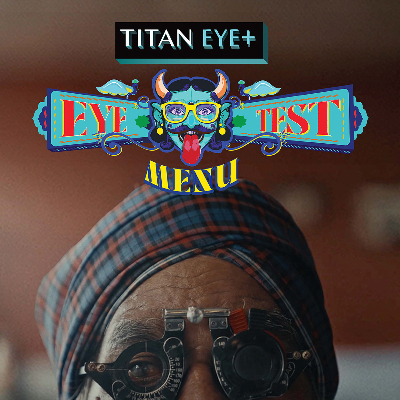
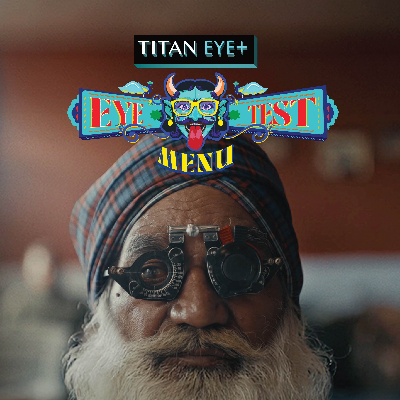
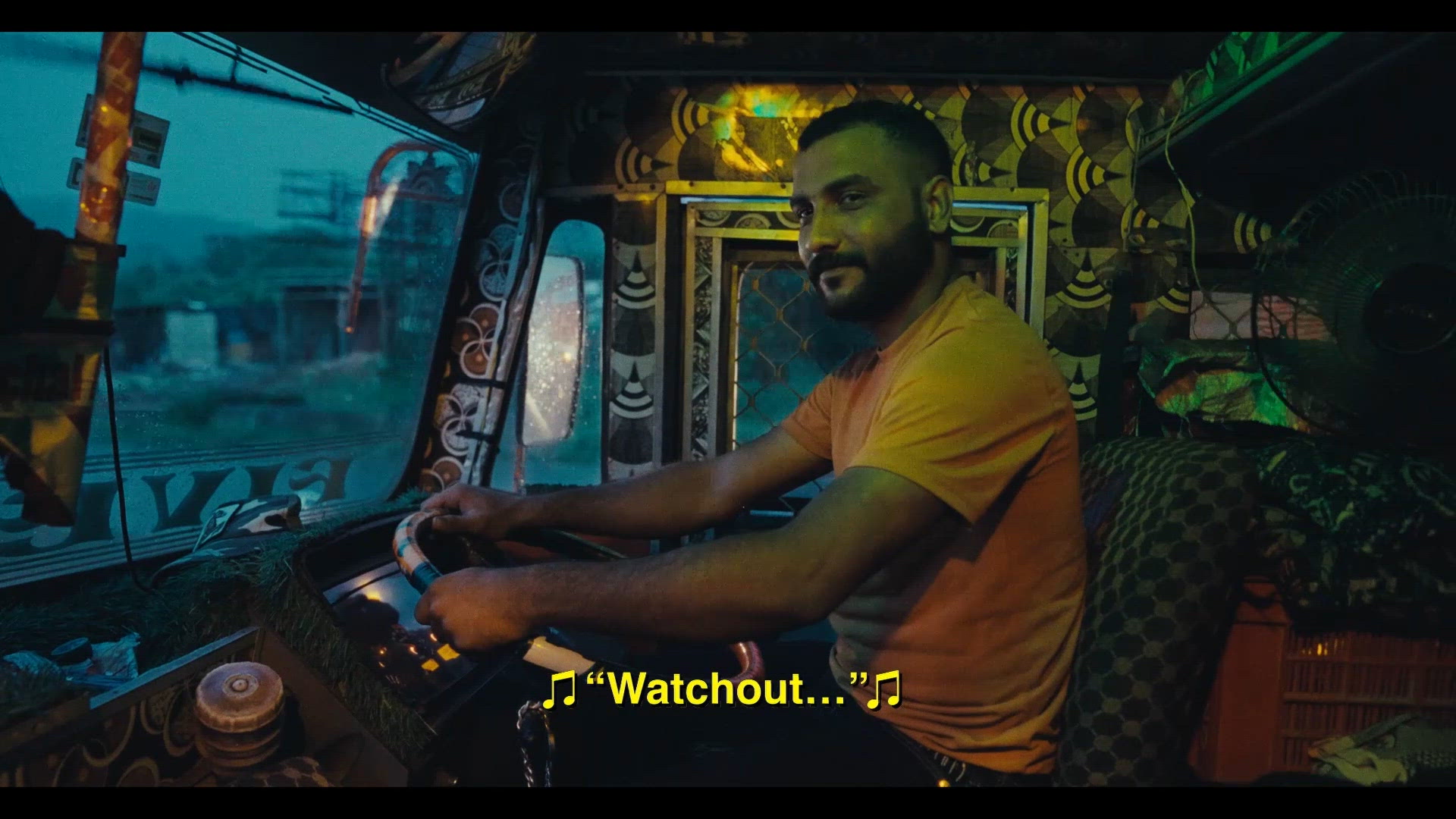
Designed in consultation with optometrists, these menus incorporated fonts and motifs inspired by the vibrant truck art that truckers use to adorn their vehicles. This familiar aesthetic made the tests feel less intimidating, drawing them in.
As truckers read through the menu, they realized they had trouble reading certain dishes in smaller font sizes. Optometrists were on-site to conduct thorough, free eye exams to determine the correct prescription for their spectacles. The glasses were then shipped to their home addresses.
Since they wouldn’t come to us to get their eyes tested, we decided to go to them. We identified dhabas (highway eateries) as the perfect intervention point to change their behavior. These locations provided a casual, relaxed, and social environment where we could seamlessly integrate an eye test into something truckers always read at dhabas—the menu.
We took over these dhabas and used the wall menus as a medium to show truckers that they had a problem. The old menus were removed from tables and walls and replaced with our eye-test menus, which became the only way to order food.
Designed in consultation with optometrists, these menus incorporated fonts and motifs inspired by the vibrant truck art that truckers use to adorn their vehicles. This familiar aesthetic made the tests feel less intimidating, drawing them in.
As truckers read through the menu, they realized they had trouble reading certain dishes in smaller font sizes. Optometrists were on-site to conduct thorough, free eye exams to determine the correct prescription for their spectacles. The glasses were then shipped to their home addresses.
Insights & Strategy
Having compromised vision as a truck driver is a matter of life and death. Since truckers are often reluctant to get their eyes tested and find clinical, prescriptive communication intimidating, we needed a
way to make them realize they had a problem in the most organic and non-intrusive manner possible. Because they wouldn’t come to us, we went to a place where they felt comfortable.
This is why we identified dhabas as the ideal venue—a place where truckers stop to grab a bite, chat, and take a much-needed break from their grueling journeys. The menus at these dhabas were transformed into eye tests, serving as the perfect tool to surprise them with faults in their vision. It was the only way to order food. We worked meticulously with leading optometrists to develop these menus into effective eye tests capable of detecting a variety of vision defects and conditions, ultimately leading to the prescription of accurate spectacles.
The design of these menus incorporated Indian truck art motifs to ensure they felt familiar and approachable to truckers, making the test less intimidating and clinical.
way to make them realize they had a problem in the most organic and non-intrusive manner possible. Because they wouldn’t come to us, we went to a place where they felt comfortable.
This is why we identified dhabas as the ideal venue—a place where truckers stop to grab a bite, chat, and take a much-needed break from their grueling journeys. The menus at these dhabas were transformed into eye tests, serving as the perfect tool to surprise them with faults in their vision. It was the only way to order food. We worked meticulously with leading optometrists to develop these menus into effective eye tests capable of detecting a variety of vision defects and conditions, ultimately leading to the prescription of accurate spectacles.
The design of these menus incorporated Indian truck art motifs to ensure they felt familiar and approachable to truckers, making the test less intimidating and clinical.
Execution
Dhabas across India are unique, with each region offering its own dishes, listed on menus in the local language of that particular state. Since these menus had no fixed template, we had to create versions that were unique to each dhaba and language while ensuring the layout functioned as a valid eye test.
We also needed to scout each dhaba well in advance to determine the optimal size and placement of the menus on walls so they would serve as effective eye tests.
Optometrists were present on-site to validate the tests and assist truckers who encountered difficulties.
The menu designs were carefully crafted, drawing inspiration from the vibrant world of Indian truck art—bursting with bold pop colors and intricate, eye-catching motifs that truckers know and love. These familiar design elements didn’t just make the menus more engaging; they also ensured the eye test felt less clinical and more like a natural part of their world, all while maintaining its effectiveness.
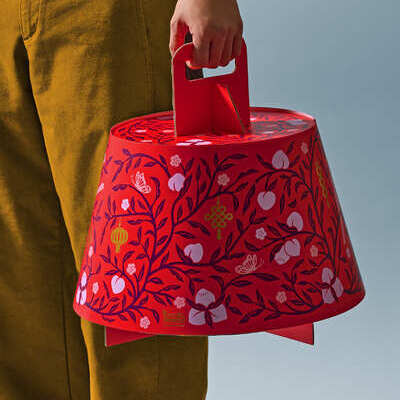
These menus were then implemented in over 382 locations across India. To stay true to the trucking theme, we included signs featuring popular truck art sayings as footers—cleverly tweaked to promote our eye-test menus. Even the packaging for the delivered spectacles carried the same theme.
We also needed to scout each dhaba well in advance to determine the optimal size and placement of the menus on walls so they would serve as effective eye tests.
Optometrists were present on-site to validate the tests and assist truckers who encountered difficulties.
The menu designs were carefully crafted, drawing inspiration from the vibrant world of Indian truck art—bursting with bold pop colors and intricate, eye-catching motifs that truckers know and love. These familiar design elements didn’t just make the menus more engaging; they also ensured the eye test felt less clinical and more like a natural part of their world, all while maintaining its effectiveness.
These menus were then implemented in over 382 locations across India. To stay true to the trucking theme, we included signs featuring popular truck art sayings as footers—cleverly tweaked to promote our eye-test menus. Even the packaging for the delivered spectacles carried the same theme.
Results
Launched in the run-up to World Sight Day, the initiative was an instant success, quickly spreading among the trucker community and sparking a much-needed conversation about the lack of awareness regarding compromised vision. Truckers found the concept novel and were surprised to discover that they had vision impairments affecting their driving.
Many immediately called fellow drivers, urging them to stop at our dhabas for a free eye test.
The media took notice, and the initiative received coverage in national and regional outlets, generating earned media worth approximately Rs. 5 million.
Several brands and organizations, including TATA Motors, the National Highway Authority of India, and the United Nations (India), have expressed interest in partnering with us to further the cause.
With the number of drivers tested so far, an estimated 42,000 potential accidents have been prevented.
This is the power of the Eye Test Menu—making India's roads safer.
Many immediately called fellow drivers, urging them to stop at our dhabas for a free eye test.
The media took notice, and the initiative received coverage in national and regional outlets, generating earned media worth approximately Rs. 5 million.
Several brands and organizations, including TATA Motors, the National Highway Authority of India, and the United Nations (India), have expressed interest in partnering with us to further the cause.
With the number of drivers tested so far, an estimated 42,000 potential accidents have been prevented.
This is the power of the Eye Test Menu—making India's roads safer.
2025 Awards
Total Points: 9

Bronze Pencil
Credits
Agency
Ogilvy / Bengaluru
Ogilvy / Mumbai
Production Company
Absolute Productions / Mumbai
Chief Strategy Officer
Prem Narayan
Creative Director
Prem Thyagarajan
R Karthik
Director
Amit Kumar Mishr
Executive Creative Director
Kishore Mohandas
Global Chief Creative Officer
Liz Taylor
Executive Producer
Prafull Sharma
Film Producer
Zahoor Qadir
Music Director
Dub Sharma
Chief Creative Officer - Asia
Reed Collins
Chief Creative Officer - Ogilvy India
Kainaz Karmakar
Harshad Rajadhyaksha
Sukesh Nayak
Chief Creative Officer - Ogilvy South
Puneet Kapoor
Chief Executive Officer
V R Rajesh
Client Services Director - Experiential Marketing
Kishor Manjrekar
Executive Chairperson
Hephzibah Pathak
Group Account Manager - Experiential Marketing
Jay Thacker
Head - Experiential Marketing & Branded Content
Krishnakant Mishra
Head of Strategic Planning - Ogilvy South
Easo John
Junior Visualiser
Agastya Manmohan
President and Head of Office - Oglivy South
Tithi Ghosh
Senior Vice President - Account Management
Priyank Vaghela
Related Awards